It used to be a joke: "Don't trust Google Translate."
In the early 2010s, machine translation was laughably inaccurate. Sentences came out broken, tone was completely lost, and meaning was often… questionable at best.
Fast forward to 2025, and AI translation has evolved into something much more refined — in some cases, almost magical. But with so many tools available today — from Google Translate to DeepSeek to ChatGPT — how do you know which one is right for your content?
And how does a purpose-built tool like Atlazis fit into this landscape?
Let’s explore.
Google Translate — Fast, Free… and Limited
Google Translate has become ubiquitous. It’s fast, free, and supports over 130 languages — making it the go-to option for millions of users every day.
But if you’ve ever tried translating a novel, blog post, or anything beyond a short sentence, you’ve probably seen the limitations. The output often feels flat, robotic, or awkward. It tends to translate word-for-word, ignoring subtle nuances and tone. Paragraphs can lose structure, and the overall style becomes homogenized.
It’s helpful in a pinch — but not when your words matter.
DeepSeek — A Smarter Machine, Still Missing Soul
DeepSeek represents a new wave of AI-powered translators. Using large language models, it delivers significantly better results than traditional rule-based engines.
In many cases, DeepSeek understands context better, maintains sentence flow, and works especially well for formal or technical documents.
But even DeepSeek has its limitations. Creative writing, emotion, or subtle tone shifts can throw it off. And it lacks flexibility — you can’t guide the tone or style beyond what it guesses you want. It’s accurate, but not artistic.
ChatGPT — When AI Becomes a Creative Partner
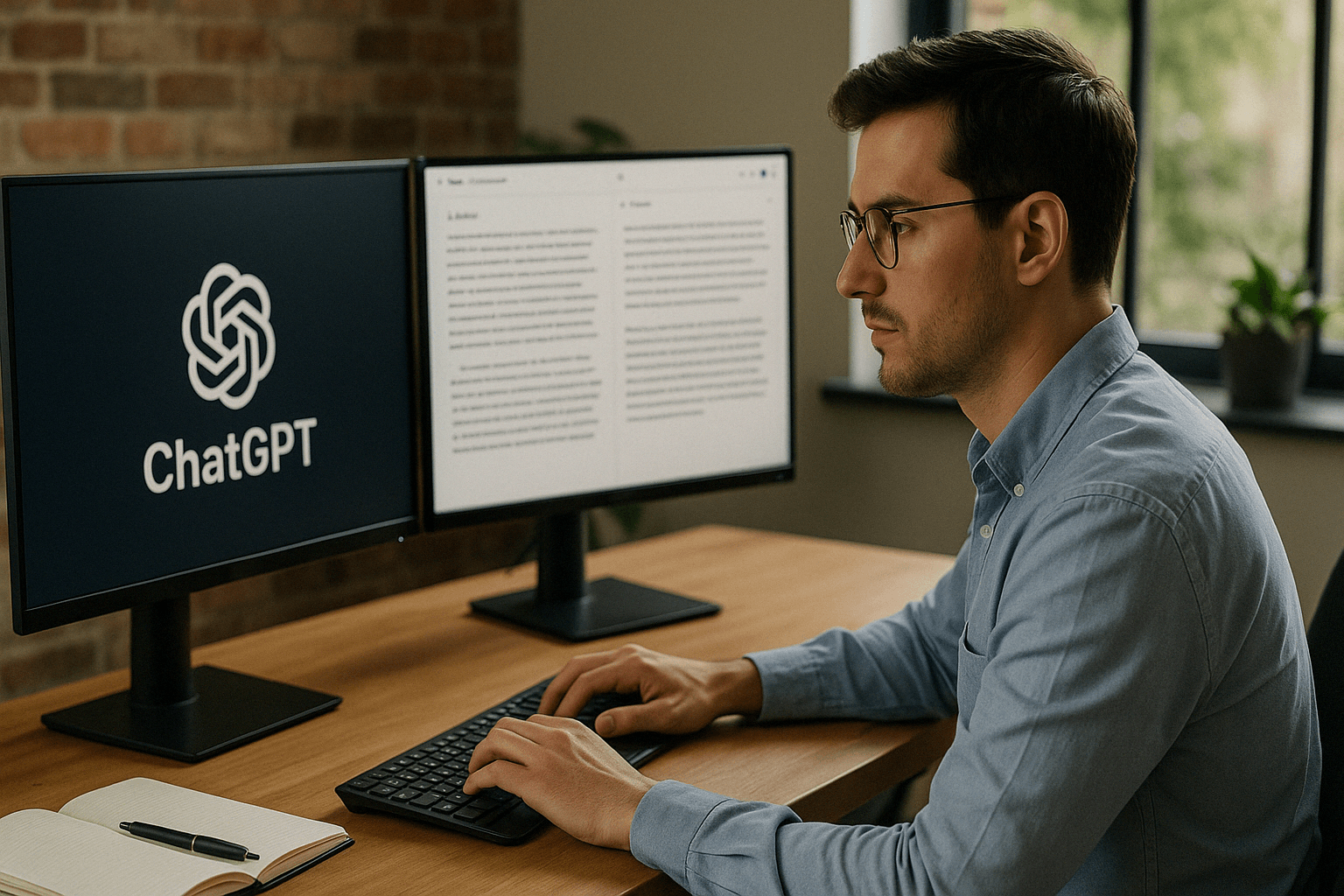
ChatGPT changed the game. It doesn’t just translate — it interprets.
With ChatGPT, you can actually give it instructions: “Translate this in a poetic tone,” or “Make it sound like a historical drama.” It adapts to style, genre, rhythm, and intent. You can even have a conversation with it — revising as you go.
That’s when translation stops being mechanical, and starts feeling human.
Here’s an example of a prompt that works well:
Translate this article from Spanish to English, keeping a formal tone but sounding natural and fluent to a native speaker.
The result? Something that reads like it was written in the target language — not translated into it.
Why Atlazis Exists
Atlazis was created because even with all these advancements, no tool fully met the needs of authors, publishers, or translators working on long-form, high-stakes content.
Atlazis builds on ChatGPT’s best models — currently GPT-4-turbo — and adds layers of optimization specifically for book and story translation. It’s not just a general-purpose chatbot; it’s a focused creative tool.
You can guide the tone. Control the formatting. Preserve structure and style. The output is a polished DOCX file, ready for review or editing.
In short: it understands how books work.
How Does Atlazis Compare?
Each AI translation tool serves a different purpose — and the differences become striking when you look at what they’re actually built to do.
Google Translate, for example, is like a pocket phrasebook. It’s perfect for travelers, menus, and quick messages. But the moment you throw anything creative or longer than a paragraph at it, things break down. The meaning becomes stiff. The voice disappears. And while it supports over 130 languages, that reach doesn’t help if the result doesn’t sound human.
DeepSeek offers a big step up. It’s powered by modern language models, and does much better at understanding structure and flow. It handles formal documents well — contracts, technical guides, business presentations. But it still lacks soul. It doesn’t respond to tone instructions, can’t be guided like a collaborator, and often misses the emotional layers of storytelling.
ChatGPT shifted the entire conversation. Instead of just translating, it understands style. You can say: “Make this feel poetic,” or “Match the tone of a 19th-century letter,” and it will. It brings creativity into the process, which opens the door to genuine literary adaptation — something previous tools couldn’t touch.
But Atlazis was built for that door.
It takes everything that makes ChatGPT powerful, and refines it for authors. That means long-form documents don’t overwhelm it. Dialogue stays consistent. Chapter formatting is preserved. You can write a prompt like: “Translate this novel to French, keep the humor dry, and preserve the original pacing,” and actually get something you can hand to an editor.
Even better? The result comes as a DOCX file — already formatted for real-world editing and publication.
In essence:
- Google Translate helps you survive a trip.
- DeepSeek handles professional paperwork.
- ChatGPT understands voice.
- Atlazis helps your story cross borders — and still feel like your story.
Final Thoughts
If you're just translating a short message, email, or menu, any free translator might do the job. But if your words are meant to move, persuade, entertain, or endure — you need more.
You need a translator that understands storytelling.
You need Atlazis.
Start Your Translation Journey
Got something you’ve written that deserves to reach the world?
Let Atlazis help you bring it to life — across languages, cultures, and borders.